Soundbytes 2.26.26
Used to You

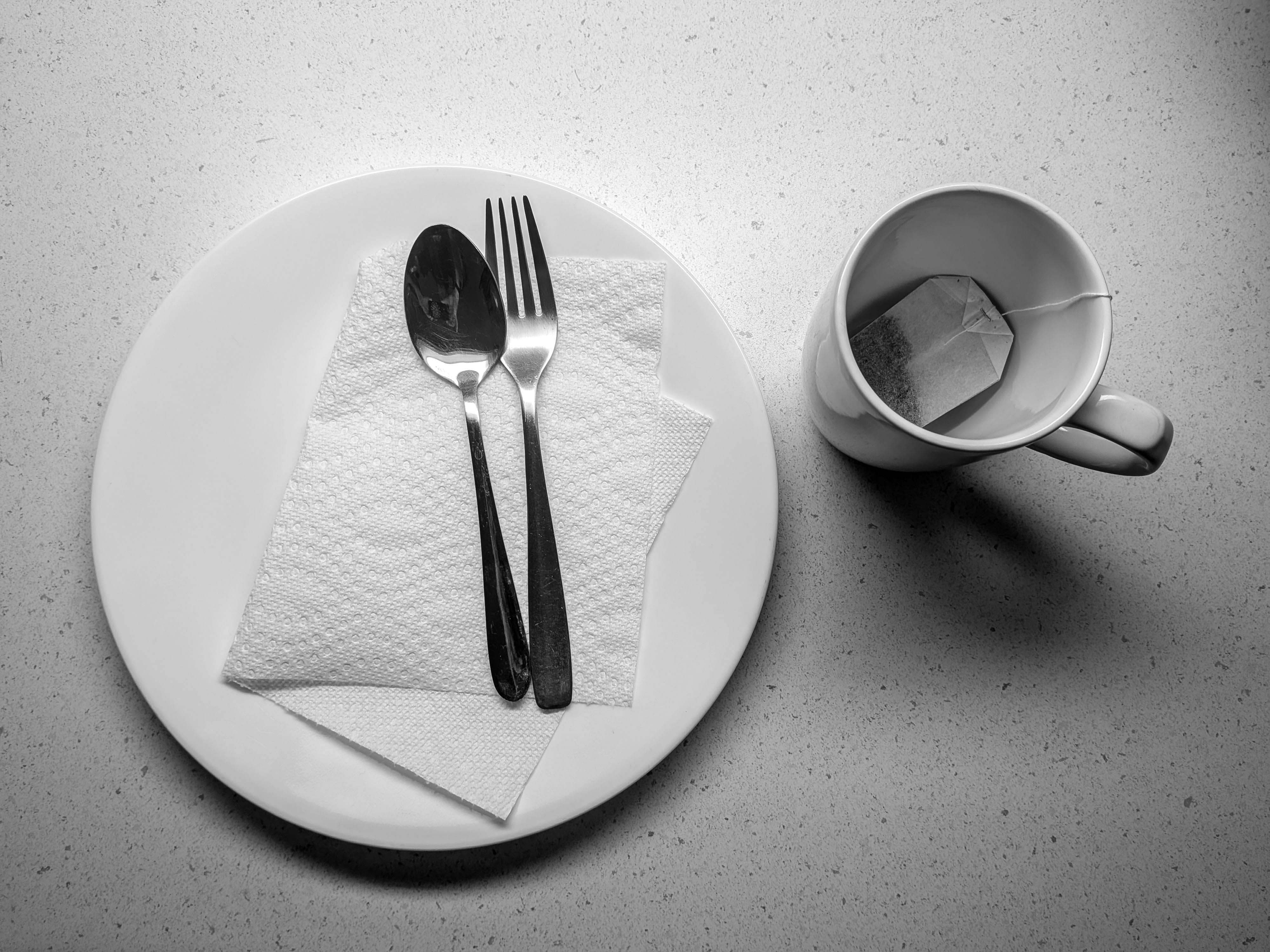
AFTER THE INITIAL THRILL of independence in my tiny top-of-the-stairs under-the-eaves apartment, I began to feel a little lonely. Me and my upright bass, plus a narrow window slot higher than eye level, through which I could see only sky and the occasional starling kiting against the wind. Not that I read a lot of meaning into the image.
At fifty, I was on my own for the first time since sophomore year in college. My own bed, my own stool in front of my own place-setting on my own counter, my own hook for my coat, my own jar marked Tea, even my own tiny television—all things were new and possible.
After a couple weeks of keeping the bed made and the mug rinsed, I called an old friend, the late Laurianne Jordan, and mentioned casually that I wouldn’t object to a little company now and then, if she happened to know someone. No expectations, no pressure. Conversation, maybe. A coffee, possibly.
Is the boy getting lonely? she said.
Couldn’t be happier, I said. Just made myself a cup of tea.
Good job, she said.
It just so happened that Laurianne’s little band was practicing that afternoon at the guitarist’s sister’s house. The sister was upstairs painting a bedroom.
And I think you might like her, Laurianne said.
The bedroom painter, it developed, was newly single, just getting used to her own independence after the collapse of a long marriage, and not in the market for another project.
So it took a little coaxing. But she thought it over and eventually conceded to Laurianne: Maybe. Just for coffee. But what if we like each other?
Laurianne said, Oh, you will
I first trotted out this tune with my old friend Byron at his outdoor concert series in New Hampshire, but under the pressure of a staring audience I totally blanked on some of the words and one of the chords in the chorus and had to mumble and mute the guitar while Byron tried not to laugh. Occasionally over the years Laurianne and I gave it a go at the Canoe Club in Hanover, but unfortunately her voice was a little too sweetly refined for the song and she could never quite get the feel of droppin’ the g’s from -ing words. And when she sang the word ain’t, you somehow got the impression it was grammatically correct after all, or should have been.
For that bedroom painter, my wife of many years now: Used to You.
Used to You [click to play]
Ain’t I used to you,
Old brown shoes for you too, by now
And I’m old hat for you, ain’t you that for me
Too, by now
Ain’t I used to you
Ain’t I used to you by now
But ooh how you do what you do
Ain’t I used to you
Got no head for bidness, no sticktoitiveness
The money don’t stay but away
Usually wound up late for the roundup
Yippykiyippykiyay
And look at you now, look at me how I
Look at you, I’m looking at you, and I’m
Seeing double, an old married couple, me and you
Now scooch over baby, I’m pooped to the bone
From my day out clowning on the telephone
Dollar by dollar, hour by day
And spring slips away
Then something real simple on the edge of my eye
You put down your book, you stretch and you sigh
And you whisper “Baby,” and the day starts again
Now now, now now
Ain’t I used to you,
Old brown shoes for you too, by now
And I’m old hat for you, ain’t you that for me
Too, by now Philip Singer’s first chapbook, Natives (Chowder Press, Madison, WI) was followed by See Rock City (Gallimaufry Press, Bethesda, MD), poems first published in North American Review, Poetry Magazine, Swanee Review, Yale Review, Southern Poetry Review and other publications too obscure for even the author to remember. He also co-edited the regrettably short-lived New River Review (Radford, Virginia), with poet Charles L. Hayes, and Poetryfish (Norwich, Vermont), an online journal of poetry and fiction. Sun Tea, a serialized memoir first published here on Substack, appeared in 2022, with a couple of afterwords (Hey, kids, wait up!) in the years since.
Singer lives in Virginia with his wife Briah and their little gray wonder-dog, Maisie.
Thanks for reading & listening! This post is public so feel free to share it.